When you take out a loan, repayment doesn’t always start right away. Depending on the type of loan and the lender’s policy, you may receive a loan grace period—a critical window of time that can help you manage your finances more effectively. Understanding what a grace period is, how it works, and how it affects your loan repayment is essential for smart borrowing.
This article provides a comprehensive breakdown of what a loan grace period is, the different types of loans that offer grace periods, and how you can take advantage of this feature without falling into costly traps.
Definition: What Is a Loan Grace Period?
A loan grace period is a set period of time after the loan is disbursed or a payment is due during which you are not required to make payments, or during which no late fees or penalties are charged.
Grace periods are designed to give borrowers a financial cushion—especially useful for new graduates, business startups, or borrowers recovering from a financial strain.
However, not all grace periods are the same. Some may allow you to defer both principal and interest, while others may continue to accrue interest during the grace period.
Key Features of Loan Grace Periods
- Duration: Usually ranges from 15 days to 12 months, depending on the loan type
- Repayment status: No required payments during the period
- Interest: May or may not accrue during the grace period
- Fees: No late fees during the grace period
Understanding these factors helps you decide when to start repaying and how much the loan will cost you over time.
Types of Loans That Offer Grace Periods
1. Student Loans
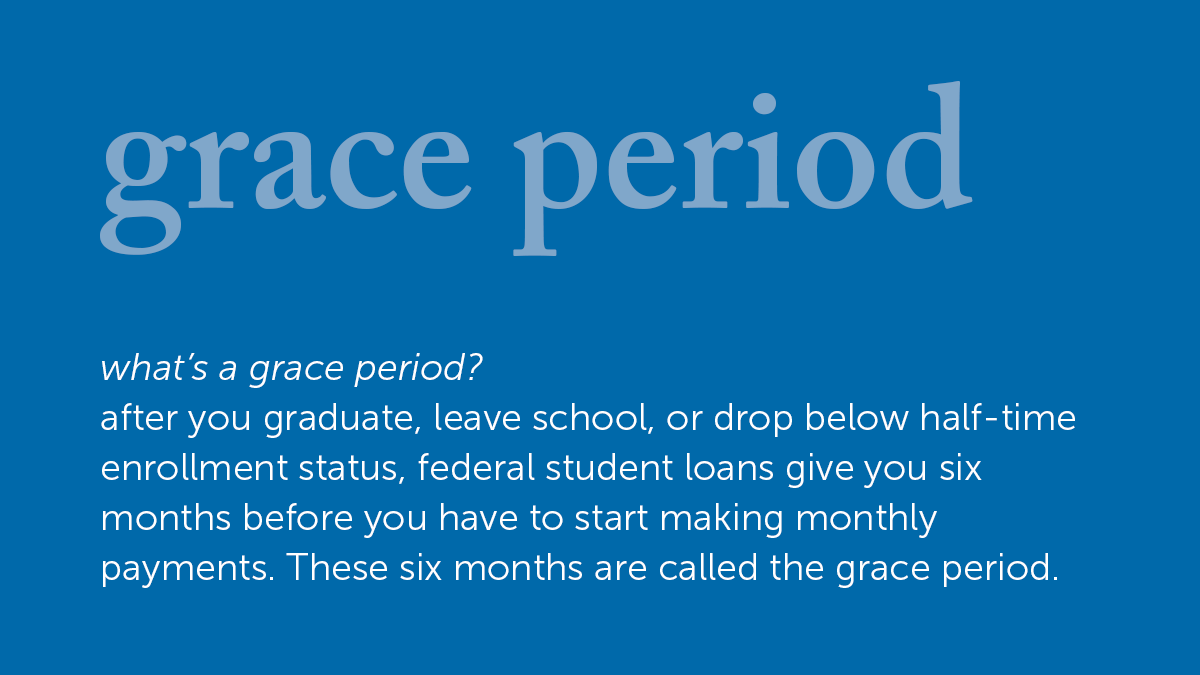
One of the most common types of loans with grace periods is the student loan. These loans typically offer a 6-month grace period after graduation, leaving school, or dropping below half-time enrollment.
- Federal student loans: Most offer automatic grace periods
- Private student loans: Grace periods vary by lender
- Interest: Federal subsidized loans do not accrue interest during the grace period; unsubsidized loans do
2. Personal Loans
Most personal loans do not offer a grace period after disbursement, but many lenders provide a 15-day payment grace period for each monthly installment. This means you can pay a few days late without a penalty, though interest may still accrue.
- Late fee grace window: Typically 5 to 15 days after the due date
- Interest: Continues accruing daily
3. Auto Loans
Auto loans also may include a short grace period on monthly payments—commonly up to 10 or 15 days. This allows some flexibility for unexpected delays in payment.
- Late fees apply after grace period ends
- Missed payments after grace period can impact credit
4. Mortgages
Mortgage lenders often allow a 15-day grace period after the payment due date. If your payment is due on the 1st, you typically have until the 15th before any late fee is charged.
- Interest accrues daily
- Late payment after grace period may incur fees of 3–6% of the monthly payment
5. Business Loans
Business loans vary widely. Some may offer an initial grace period (especially SBA loans) where repayment begins after a few months, allowing businesses time to generate revenue.
- Interest may accrue during the grace period
- Terms must be reviewed carefully in the loan agreement
How Does Interest Work During a Grace Period?
Whether or not interest accrues during the grace period depends on the loan type and lender policy.
Accruing Interest Grace Periods
In most cases, interest continues to accrue during the grace period, even if payments are not required.
- You are not penalized for not paying
- But the interest gets added to your balance (capitalized), increasing the total amount owed
No-Interest Grace Periods
Some federal student loans or promotional offers may include interest-free grace periods, helping you save money during the deferral period.
Always check the loan disclosure or talk to the lender to understand how interest is handled.
Advantages of a Loan Grace Period
- ✅ Gives financial breathing room before repayment begins
- ✅ Ideal for new graduates, startup founders, or those recovering from financial hardship
- ✅ Helps avoid late fees and credit score damage
- ✅ Opportunity to plan or adjust your budget and finances
- ✅ Can be used to make early, interest-saving payments if affordable
Risks and Misconceptions
❌ “I don’t have to pay anything, and nothing happens.”
Many borrowers wrongly assume that nothing accrues during a grace period. In fact, interest often continues accumulating, which can make the loan more expensive in the long run.
❌ “I can skip payments without consequences.”
Missing payments after the grace period ends can lead to:
- Late fees
- Negative credit reporting
- Loan default after prolonged non-payment
❌ “All loans come with grace periods.”
Not all lenders offer grace periods. Some loans require immediate repayment upon disbursement.
Strategies to Make the Most of Your Grace Period
✅ Start budgeting early
Use the grace period to prepare a repayment strategy. Analyze your income, expenses, and loan terms to make on-time payments once the grace period ends.
✅ Pay interest during the grace period
Even small payments toward the accruing interest can reduce total loan costs significantly.
✅ Set up auto-pay
Automated payments prevent late fees and help maintain a strong credit history.
✅ Know your loan terms
Read the fine print. Understand exactly when your grace period ends, and whether interest is accruing.
How to Find Out If Your Loan Has a Grace Period
- Review your loan agreement or promissory note
- Log into your online lender portal
- Contact customer service or loan servicer
- Ask specifically:
- “Is there a grace period?”
- “When does repayment begin?”
- “Does interest accrue during this period?”
Frequently Asked Questions
Does a grace period mean free money?
No. You are still obligated to repay the loan, and interest often accrues unless explicitly stated otherwise.
Can I extend a loan grace period?
Some lenders may allow deferment or forbearance upon request, especially for hardship cases. However, extensions are not guaranteed and may involve additional interest or fees.
Will using a grace period hurt my credit?
No, as long as payments resume on time after the grace period. Missed payments after the grace period ends can hurt your credit.
Final Thoughts
A loan grace period can be a financial lifeline when used strategically. Whether you’re a recent graduate, a new business owner, or simply managing a tight budget, understanding how grace periods work gives you the power to plan smarter, avoid penalties, and reduce long-term costs.
Always read your loan terms, monitor your repayment schedule, and make informed decisions about using grace periods to your advantage.