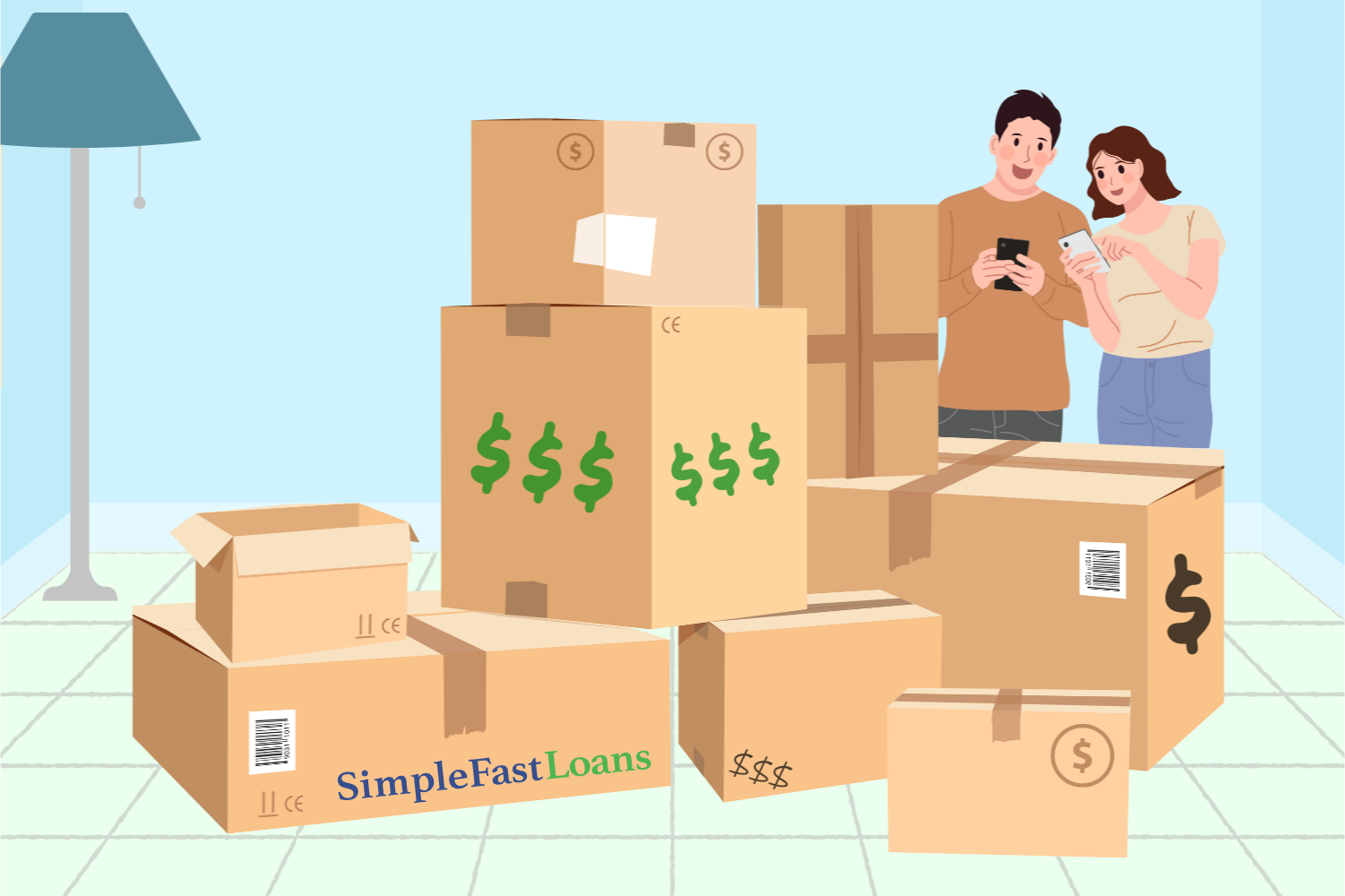
Moving to a new home or city often brings excitement, but it can also be a major financial challenge. Covering moving costs—including transportation, packing supplies, deposits, and temporary housing—can quickly add up and strain your budget. For many, taking out a loan becomes a practical way to manage these expenses without derailing other financial commitments.
In this article, we explain how to use loans to cover moving costs, what types of loans are available, key steps to take, and important considerations to ensure you borrow wisely.
Understanding Moving Costs
Before seeking a loan, it’s important to identify typical expenses associated with moving, which may include:
- Hiring professional movers or renting a moving truck
- Packing materials and supplies
- Utility setup and deposits at the new location
- Temporary housing or storage fees
- Travel expenses (fuel, airfare, accommodation)
- Cleaning and repairs for your old residence
Knowing your expected costs helps determine how much to borrow.
Types of Loans to Cover Moving Costs
1. Personal Loans
Personal loans are unsecured loans that can be used for a variety of purposes, including moving expenses. They typically offer:
- Fixed interest rates
- Fixed repayment terms (usually 1-5 years)
- Loan amounts ranging from a few hundred to tens of thousands of dollars
Personal loans are a common choice because of their flexibility and relatively quick approval process.
2. Credit Cards
Credit cards provide quick access to funds but often come with higher interest rates. If you use a credit card for moving costs:
- Aim to pay off the balance quickly to avoid high-interest charges
- Look for cards with 0% introductory APR offers for balance transfers or new purchases
3. Home Equity Loans or Lines of Credit (HELOC)
If you own a home with equity, you might consider tapping into it to finance your move.
- These loans often have lower interest rates than personal loans or credit cards
- They require collateral (your home), which increases risk
- Typically better for larger moves or extensive expenses
4. Payday or Title Loans (Not Recommended)
These loans offer quick cash but come with extremely high interest rates and fees. They should be avoided unless no other options exist.
Steps to Use Loans Effectively for Moving Expenses
Step 1: Estimate Your Moving Budget
Calculate a detailed moving budget, including all foreseeable costs. Add a buffer for unexpected expenses to avoid under-borrowing.
Step 2: Assess Your Financial Situation
Review your income, existing debts, and credit score. This helps identify what loan options you qualify for and what interest rates to expect.
Step 3: Compare Loan Options
Research and compare loan offers from banks, credit unions, and online lenders. Pay attention to:
- Interest rates and APR
- Loan terms and repayment schedules
- Fees and penalties
- Total repayment amount
Step 4: Apply for the Loan
Gather necessary documentation such as ID, proof of income, and credit information. Apply to lenders that best meet your needs and offer favorable terms.
Step 5: Use the Loan Funds Wisely
Allocate loan funds strictly for moving-related expenses. Keep receipts and track spending to stay within budget.
Step 6: Create a Repayment Plan
Develop a realistic repayment strategy aligned with your budget. Prioritize timely payments to avoid penalties and maintain a good credit history.
Benefits of Using Loans for Moving Costs
- Immediate access to funds: Loans provide upfront cash when you need it most.
- Flexibility: Many loan types can be tailored to your financial situation.
- Preserves savings: Borrowing means you don’t have to deplete emergency funds or savings.
- Builds credit: Responsible repayment can improve your credit score.
Risks and Considerations
- Interest and fees: Loans increase your total cost of moving due to interest.
- Debt burden: Taking on new debt affects your financial health and future borrowing capacity.
- Overborrowing: Borrow only what you truly need to avoid unnecessary costs.
- Repayment stress: Ensure you can meet monthly payments to avoid defaults or credit damage.
Tips for Managing Moving Costs Without Excessive Debt
- Plan ahead: The more time you have to save, the less you may need to borrow.
- Get multiple moving quotes: Compare prices for moving companies or rental trucks.
- Downsize belongings: Reducing what you move cuts costs significantly.
- Ask for help: Friends or family might assist with moving or temporary housing.
- Use rewards or cash back: Credit cards with rewards can help offset some expenses if used wisely.
Conclusion
Using loans to cover moving costs can ease the financial pressure of relocating, providing access to the funds needed for a smooth transition. However, borrowing should be approached carefully—start with a clear budget, evaluate loan options thoroughly, and commit to a repayment plan that fits your financial situation.
When managed responsibly, a well-planned loan can transform the often stressful process of moving into a manageable and positive step toward your new beginning.